.png)
Suboxone Cases Hinge on the Script and the Dental Damage. Document Both.
Surface buprenorphine/naloxone dispensing history, dental injury diagnoses, and the extraction and restoration record across your Suboxone docket.
Suboxone tooth decay litigation is moving fast. Cases in MDL 3092 in the Northern District of Ohio allege that long-term sublingual exposure to the buprenorphine/naloxone film caused severe tooth decay and tooth loss, and dockets continue to grow ahead of filing deadlines.
Each case depends on two records that rarely arrive complete at intake: a documented Suboxone dispensing history of sufficient duration, and a dental injury picture serious enough to qualify. Reconstructing every prescriber, pharmacy, and dentist behind that story is far harder than recalling the diagnosis.
SettLiT provides the digital health data layer that helps Suboxone firms qualify claimants earlier, verify film dispensing history through pharmacy benefit data, and surface the dental treatment picture before record retrieval begins.
What Makes Suboxone Qualification Operationally Demanding
Suboxone litigation requires firms to establish both a buprenorphine/naloxone film dispensing history of sufficient duration and a qualifying dental injury history that holds up under scrutiny. Claimants used the film daily, often for years, across multiple prescribers and pharmacies, and received dental care across general dentists, oral surgeons, prosthodontists, and emergency dental clinics. The two halves of the case rarely arrive intact at intake.

inCOMPLETE INTAKE NARRATIVES
Claimants prescribed Suboxone for medication-assisted treatment often cycled through addiction medicine, primary care, and opioid treatment programs over years of use. The dental record is just as fragmented, and intake captures only a fraction of it.

SLOW MEDICAL RECORD RETRIEVAL
Without knowing every prescriber who refilled the film and every dentist who diagnosed decay or pulled a tooth, retrieval cannot begin. Identifying the right pharmacies, MAT providers, and dental practices takes weeks before a single record is ordered.

CAPITAL DEPLOYED TOO EARLY
Firms invest in case workup before confirming the dispensing duration and dental injury severity meet qualification criteria. Cases that fall short still absorb the cost of that commitment.

LATE LITIGATION
SURPRISES
Defense uncovers prescribing gaps, prior oral hygiene issues, or untreated decay that pre-existed the film. The cases that survive scrutiny are the ones where plaintiff counsel saw the full record first.
A Better Workflow for Suboxone Claim Qualification
The firms moving fastest through Suboxone qualification are not starting with retrieval. They are starting with data — structured health data that confirms the film dispensing history and dental injury record support the claim before resources are deployed.
What SettLiT Helps Firms Surface in Suboxone Cases
SettLiT connects to national health data networks and structured medical datasets to surface the signals that matter in Suboxone tooth decay litigation.

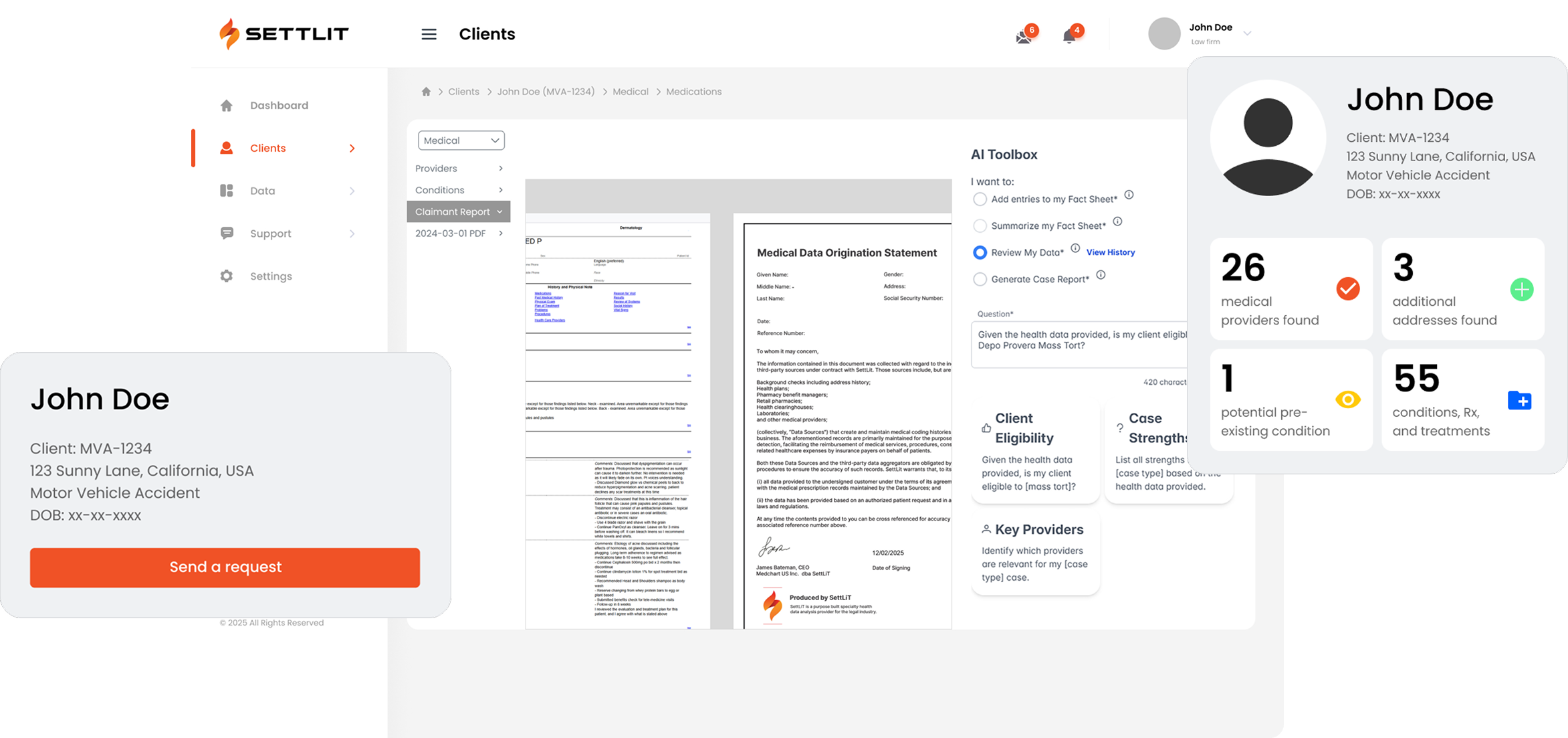
Dental injury diagnoses including dental caries, tooth loss, periodontal disease, and gingivitis

Prescribing history across addiction medicine, primary care, and opioid treatment programs

Treating providers across general dentistry, oral and maxillofacial surgery, prosthodontics, periodontics, and endodontics
Restorative and surgical dental procedures: extractions, root canals, crowns, implants, partial and full dentures

Treatment timelines that help establish the medical narrative before records are pulled
Mapping Data to MDL 3092 Eligibility
Suboxone tooth decay claims require documented film exposure of sufficient duration and a qualifying dental injury. SettLiT maps directly to the evidentiary requirements:

Suboxone Film Dispensing History
Pharmacy benefit data returns buprenorphine /naloxone film dispensing records with NDC codes, fill dates, and duration of use to establish exposure threshold.

Qualifying Dental Injury
Claims data returns ICD-10 codes for dental caries (K02), tooth loss (K08), periodontal disease (K05), and other diagnoses anchoring the qualifying injury.

Restorative and Surgical Treatment History
Treatment data shows extractions, root canals, crowns, implants, and denture procedures that document the severity and progression of dental injury.

Treating Provider Network
Provider discovery identifies general dentists, oral surgeons, prosthodontists, periodontists, and endodontists across the claimant's care history.
Claimant-Level Dental Data at Docket Scale
Suboxone dockets continue to grow as filing deadlines drive intake. But the strength of each case still depends on one claimant's specific film dispensing timeline, one set of dental injuries, one restoration history that either supports the claim at a qualifying tier or doesn't.
SettLiT surfaces that individual picture at scale: structured health data across every claimant in your docket so qualification and tier decisions are grounded in verified pharmacy and dental records rather than what claimants remember from intake.
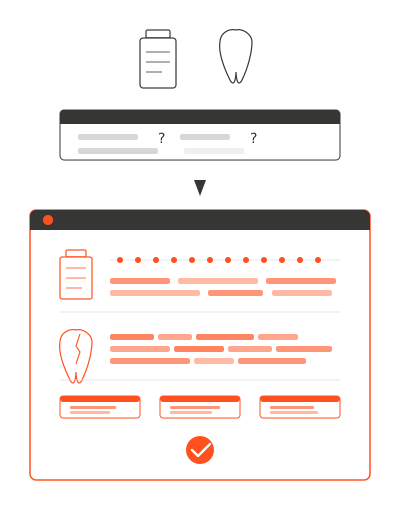
Know What You Have Before You Commit
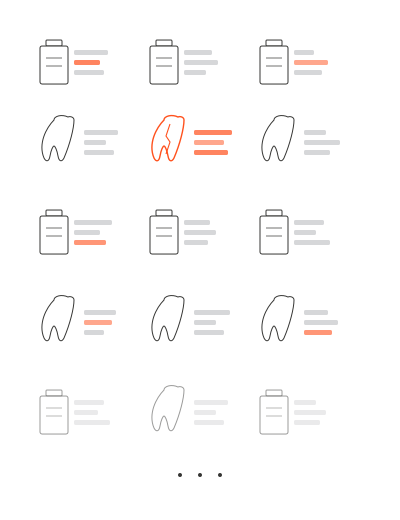
Suboxone qualification turns on duration of film use and severity of dental injury. Claimants rarely remember every prescriber, every pharmacy, every extraction across years of treatment. Without that combined record, firms commit resources to cases that may fall below the use threshold or above the qualifying injury bar.
SettLiT surfaces buprenorphine/naloxone dispensing records and dental treatment history before retrieval begins. Know whether the exposure timeline and the dental injury picture meet qualification criteria before you invest in case workup.
See It Before Defense Does
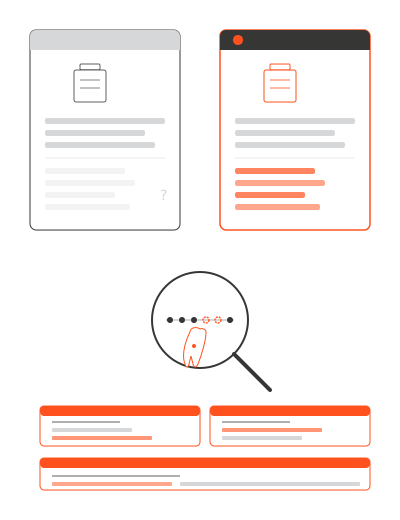
Indivior and its defense teams are actively litigating alternative causation arguments in the Suboxone MDL: pre-existing dental disease, untreated decay that predates the film, poor oral hygiene patterns, and competing risk factors like methamphetamine use. They will scrutinize the dental record completeness, look for gaps in restorative care, and identify pre-existing periodontal conditions. The question is whether you find these issues first.
SettLiT gives your team the same visibility into the claimant's dispensing and dental history that defense will eventually obtain. Identify complicating factors early. Adjust strategy before you commit resources. Build cases that survive scrutiny from day one.
Why Firms Use SettLit For Suboxone Litigation
SettLiT data has been used in Suboxone litigation, supporting proof of injury in active MDL cases. As courts become familiar with digital health data, the evidentiary path is becoming more standardized.

digital health DATA First
Surface buprenorphine/naloxone film dispensing records and dental injury diagnoses before retrieval begins.

Provider discovery
Identify dentists, oral surgeons, prosthodontists, and prescribers across the claimant's care history.

structured medical outputs
Receive NDC-coded film dispensing records, dental diagnosis and procedure codes, and treatment timelines.

Targeted retrieval enablement
Focus retrieval on the dental practices and oral surgery centers most likely to produce records that advance the case.
Scalable docket workflows
Process thousands of Suboxone claimants with the same rigor you would apply to one.
Integration Ready Infrastructure
API and portal access. Integrates with Filevine and Smart Advocate.
.svg)
.svg)
.svg)
.svg)
.svg)
.svg)