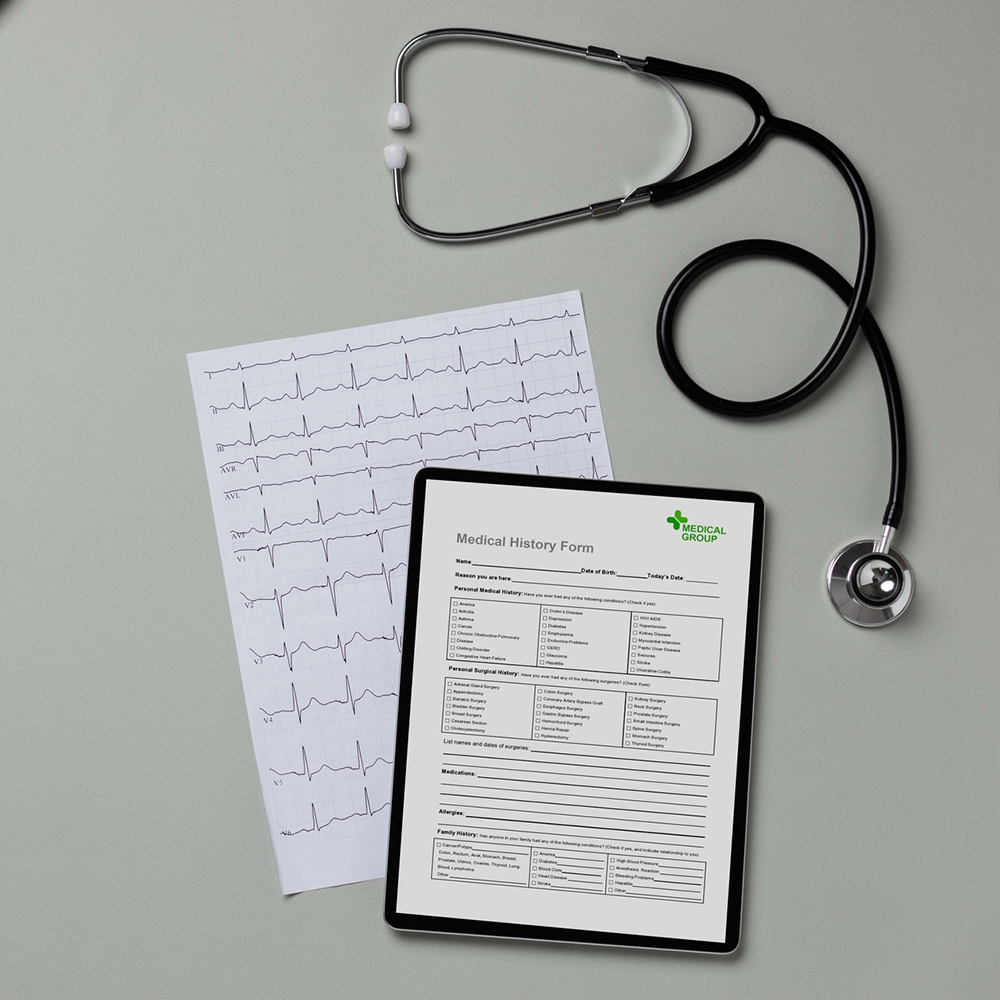


It's day 41. The records request went out the week your client signed. Since then, your team has resubmitted the authorization once, sat through two hold queues, and paid an invoice that arrived faster than anything else in the file. The demand can't go out. The case theory is on hold. And nobody at the facility is in a hurry, because nothing went wrong. This is the system working exactly as designed.
If you run intake or carry a caseload, you know that wait in your bones. What's less understood is why the wait exists, why nobody is coming to fix it, and how much of your client's medical picture you can already have in hand while the hospital clock runs. That last part is where firms are quietly pulling ahead.
The clock is legal, and it barely applies to you
Federal law gives a covered entity 30 calendar days to act on a patient's request for their own records, with one 30-day extension available (45 CFR 164.524). Sixty days, fully inside the rules. That's the version of the story most firms know.
Here's the version that matters more. That clock belongs to the patient's right of access. When a request travels the way most firm requests do, as a signed authorization asking the facility to release records to your office, it becomes a permitted disclosure rather than a required one, and the federal deadline doesn't attach at all. Some states impose their own timelines. Federal law doesn't. And since a 2020 federal court ruling in Ciox Health v. Azar struck down the fee cap for third-party requests, attorney-directed requests are also the ones priced under state rates. The request your case depends on has the least deadline protection and the biggest invoice.
Nobody's coming to speed it up
Enforcement exists, but look at the shape of it. In late 2023, federal regulators settled with a multi-state medical group for $160,000 after six patients, some of them parents asking for their own children's charts, waited anywhere from 84 to 231 days for records. It was only the 46th financial penalty under the Right of Access Initiative since it launched in 2019, and the count has crept up slowly since. A handful of actions a year, across the entire country, at amounts a hospital system absorbs without blinking. And those cases enforce the patient's right of access, not your authorization-based request.
It helps to be clear-eyed rather than angry about this. A records office doesn't bill anyone. It's a cost line, usually staffed by people every bit as buried as your paralegals, inside an institution where speed earns nothing and caution earns nothing but time. Nobody there is a villain. The incentives just all point one direction, and it isn't toward your filing deadline.
While their clock runs, the data already exists
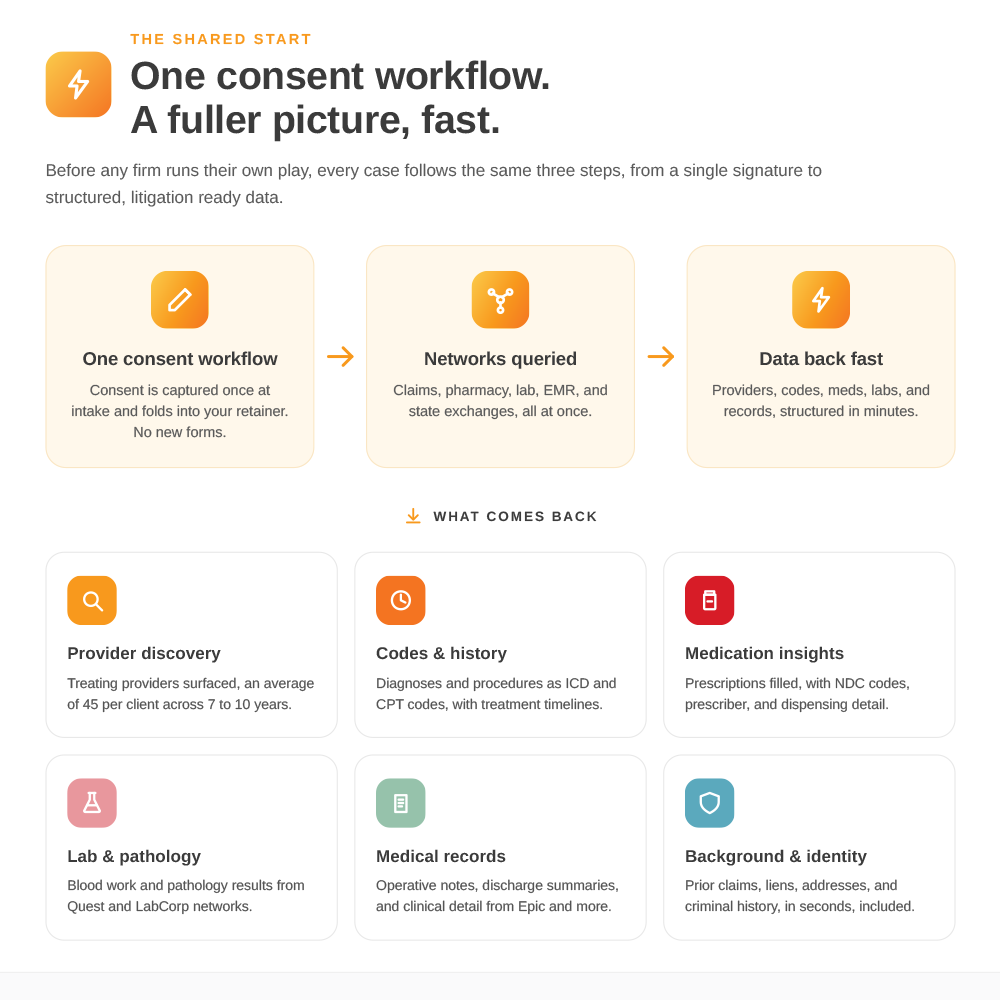
Now the part that changes the strategy: roughly 85% of health data in the US is digital, and it has been for years. Your client's history doesn't live only in the chart the facility will eventually copy. It lives in claims clearinghouses, pharmacy networks, lab systems, state health information exchanges, and EHR systems, all queryable with one patient authorization, inside the national interoperability frameworks rather than around them.
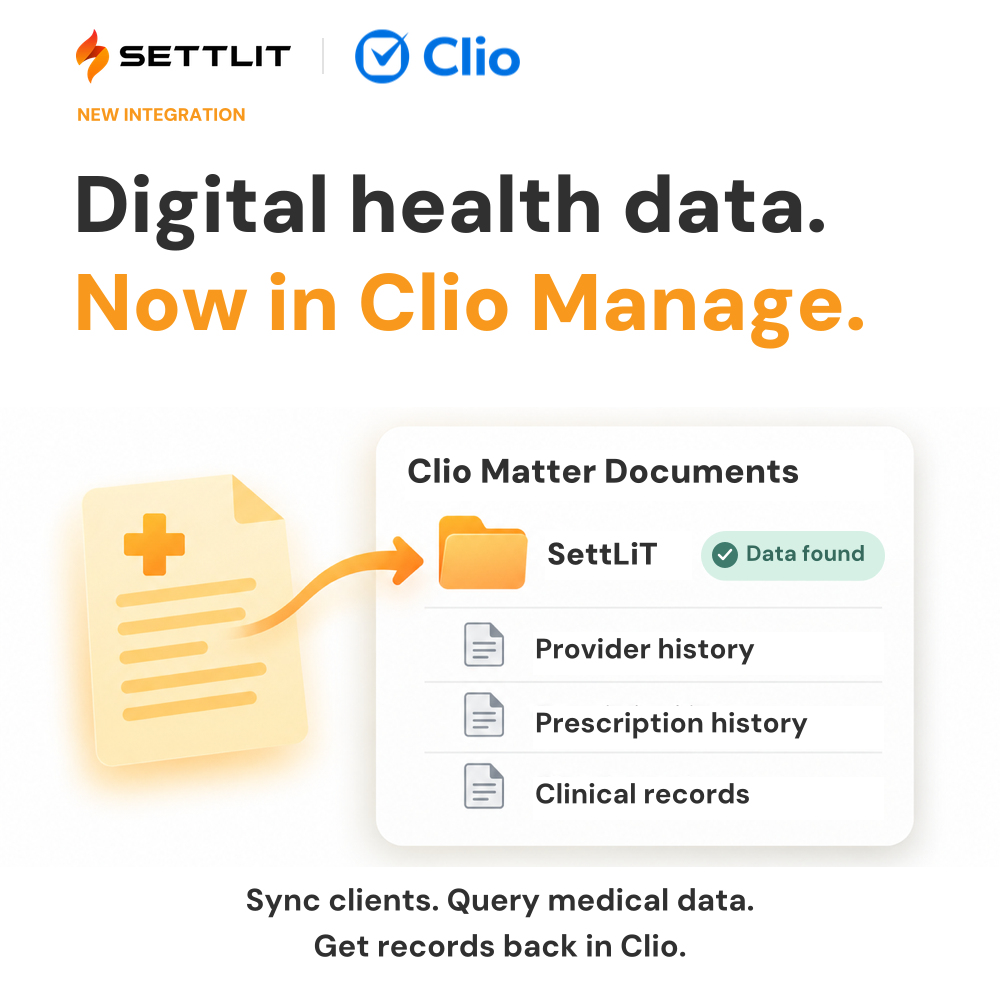
Queried that way, the picture comes back in minutes, not months. Nationwide claims history with diagnosis and procedure codes. Pharmacy fills with prescribers and dates. Lab results. A provider list that averages 45+ providers per client, across more than 190,000 requests to date, with specialties and dates of service, so the treatment story your client half-remembers becomes a map you can actually read.
One more reason the waiting game costs more than it looks: the other side isn't playing it. Insurers have had digital claims visibility for years, and on the EHR side they have roughly six times as many hospital systems live for data access as the legal industry does. Defense already has the printout. Every week that passes on the facility's clock is a week the information asymmetry runs one way.
Digital-first, not digital-only
Honesty about the edges, because it protects your file. Digital health data is a head start, not a guarantee. Claims and pharmacy networks return data on most clients, not all. They return codes and dates, not billed dollar amounts. The paper chart from a two-physician practice, the full narrative note, the certified copy you need for trial: those still come through the facility's queue.
So the move isn't to abandon traditional requests. It's to stop building the case around them. Query the digital picture on day one. Let it tell you which two or three providers actually matter, instead of blasting fifteen requests and waiting on all of them. Calendar the state deadline on the requests you do send, and follow up in writing before it lapses. Firms working this way aren't waiting less because the hospitals got faster. They're waiting less because the wait stopped being the critical path.
Start the case on your clock
The 30-day wait will still be here next year. Your cases don't have to be built around it. With SettLiT, one patient authorization opens the digital picture in minutes, the manual requests you still send are aimed instead of guessed, and you don't pay unless records come back. It isn't magic. It's access.
Pick one active case and run it through. See what comes back while the facility's clock is still on week one. Book a demo.
None of this is legal advice, and any client or firm described here is composite and illustrative, not a real case.